


Spring Equinox at Stonehenge (Vernal Equinox): What to Expect on 20 March 2026
19th March 2026

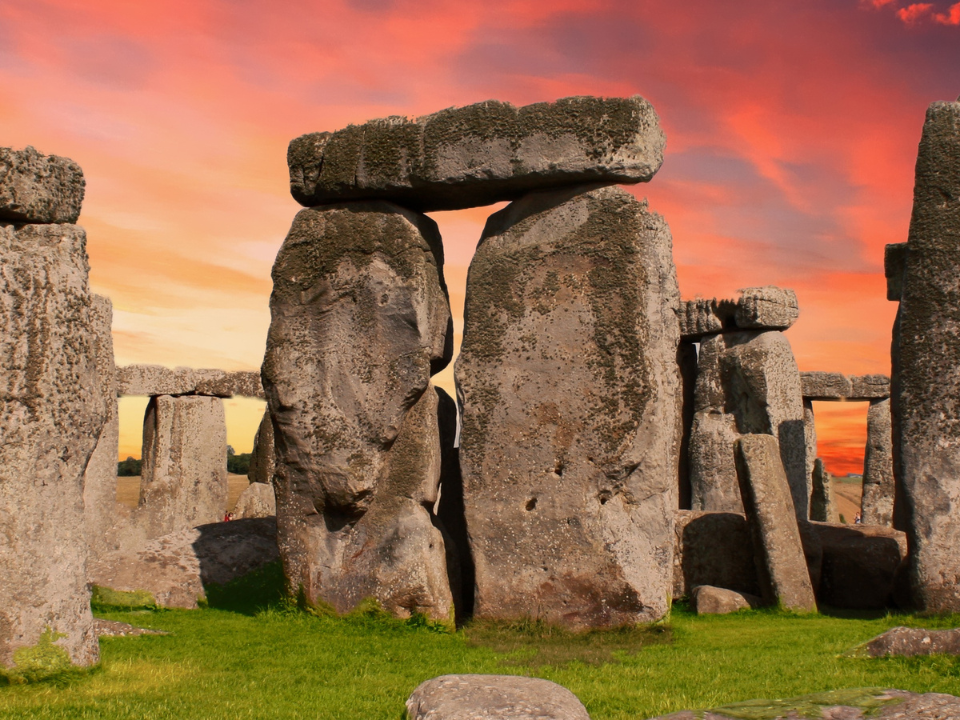
Sunrise at Stonehenge during the spring equinox, as visitors gather inside the stone circle to experience this rare seasonal event.
With the equinox just hours away day and night fall into near perfect balance — but at Stonehenge, this moment becomes something far more powerful as the Earth reaches the spring equinox — a moment that has been observed and celebrated for thousands of years.
The Spring Equinox at Stonehenge is one of the most atmospheric times of year to visit this ancient site. Taking place on 20 March 2026, the equinox marks the moment when day and night are equal — and at sunrise, the light aligns with the stones in a way that has drawn people here for centuries. From our experience organising thousands of Stonehenge visits, the equinox offers something very different from the summer solstice — quieter, more reflective, and often more personal. You can also explore other key dates in our Stonehenge calendar.
At Stonehenge, this seasonal turning point takes on a special significance. As the sun rises over the ancient stones, visitors gather to witness a connection between landscape, sky and history that feels as powerful today as it must have done in prehistoric times.
In 2026, the equinox takes place at 10:46am on 20 March, with visitors arriving from just before sunrise (around 6:10am) to experience this unique moment at one of the world’s most iconic prehistoric sites.
🔗 Plan Your Stonehenge Visit
👉 Is Stonehenge Worth Visiting? (honest guide)
👉 Best Time to Visit Stonehenge in 2026 (month-by-month guide)
👉 Stonehenge Sunrise vs Sunset: Which Is Better?
👉 Best Stonehenge Tours from London: Which One Should You Choose?
👉 How to Get to Stonehenge from London (train, car or tour guide)
What is the Spring Equinox?
The spring equinox — also known as the vernal equinox — marks the moment when day and night are almost exactly equal in length across the world. For ancient societies, this was far more than a simple astronomical event. It signalled the transition from winter to spring — a time of renewal, growth and the return of light.
Stonehenge and the Ancient Calendar
Stonehenge has long been associated with the movement of the sun and the changing seasons. While it is most famous for its alignment with the summer and winter solstice, the equinoxes also reflect the monument’s connection to the natural calendar. These key seasonal moments suggest a deep understanding of the skies and the rhythms of nature among the people who built it. Even today, the monument continues to draw visitors seeking to experience these ancient alignments for themselves.
A Living Tradition
The spring equinox remains one of the few occasions when visitors can experience Stonehenge in a more open and accessible way. Managed open access allows people to enter the stone circle itself — something not normally permitted. Compared to the summer solstice, the equinox is quieter and more atmospheric, attracting smaller groups and creating a more reflective experience. There is often a sense of stillness as the light rises over the stones, making it one of the most special times to visit.
What Most Visitors Don’t Expect
Unlike the summer solstice, the Spring Equinox is a much quieter experience. Crowds are usually smaller, creating a calmer and more reflective atmosphere. As the sun rises, there is often a noticeable stillness — a shared moment where visitors pause to watch the light move across the stones. For many, this is what makes the equinox so special. It feels less like an event, and more like a connection to the landscape and its history.
Visiting Stonehenge for the Spring Equinox
Visitors typically arrive before sunrise, with access managed by English Heritage. From the visitor centre, it is around a 25–30 minute walk (approximately 2km) to the stones, or a shuttle bus is available. Early arrival is recommended, as this is one of the rare opportunities to stand within the stone circle itself and experience the monument up close. For many visitors, this is not just a visit — it’s a moment that feels timeless. If you’re interested in experiencing Stonehenge beyond the equinox — including rare Inner Circle access at sunrise or sunset — If you’re interested in experiencing Stonehenge beyond the equinox — including rare Inner Circle access at sunrise or sunset — explore our detailed Stonehenge Inner Circle access calendar to find available dates throughout the year.
The Celtic World and Seasonal Traditions
Seasonal turning points were deeply significant across the ancient Celtic world, where the changing year was closely observed and celebrated. This wider landscape of tradition connects Britain and Ireland, echoing the same world explored in our St Patrick’s Day feature, where myth, history and seasonal rhythms all intertwine.
Why It Still Matters Today
In a modern world, it’s easy to lose touch with the natural cycles that once shaped everyday life. Standing at Stonehenge during the spring equinox offers a rare moment of connection — not just to the past, but to the rhythms of nature that continue to shape the world around us.
Explore Stonehenge Experiences
As the sun breaks the horizon, the atmosphere can shift noticeably — conversations quieten, and attention turns to the stones as light begins to move through the monument. From seasonal events to exclusive Inner Circle experiences, Stonehenge offers a unique way to explore one of the world’s most remarkable prehistoric monuments. Plan your visit in advance to make the most of this rare and unforgettable experience.

Visitors gather inside Stonehenge at sunrise to mark the Spring Equinox, a moment when day and night are equal and the changing season is welcomed.
🚆 How to Get to Stonehenge for the Spring Equinox
Stonehenge is located in rural Wiltshire, around 9 miles from the city of Salisbury, which serves as the main transport hub for visitors travelling by public transport.
🌅 Managed Open Access (Important)
For the spring equinox, English Heritage provides free managed open access to the monument. Visitors are allowed to enter the stone circle during a limited window around sunrise — one of the few times of the year this is possible. Entry usually begins shortly before sunrise (when it is light enough for safe access), and the event operates on a turn-up basis, meaning no ticket is required. Visitors are asked to respect the monument at all times — access is carefully managed to protect both the stones and the experience for everyone attending.
⏰ Key Timings for the Spring Equinox 2026
Date: 20 March 2026
Sunrise: approx. 6:11am
Access to the stones: typically from around 5:45am to 8:30am
If you’re planning to attend, it’s best to arrive early. The period just before sunrise is often the most atmospheric, as the light begins to build across the landscape.
🚆 By Train
Regular train services run from London Waterloo to Salisbury, with journey times of approximately 1 hour 30 minutes. Salisbury is the nearest major station and the most convenient gateway for visitors. Early departures are strongly recommended to ensure arrival in time for sunrise access.
🚌 From Salisbury to Stonehenge
From Salisbury station, visitors can take the dedicated Stonehenge tour bus, which runs between the city centre and the monument. However, as English Heritage notes, bus timetables may not always align with early morning access, so it is important to check schedules in advance or consider alternative transport options. Taxis are also available from Salisbury station.
🚶 Final Approach
From the Stonehenge visitor centre, it is around a 25–30 minute walk (approximately 2km) to the stone circle. A shuttle bus is available, although many visitors choose to walk across the landscape to fully experience the setting.
🚗 By Car
The Stonehenge car park opens early for equinox access, but space can be limited and demand is high. Arriving early is strongly recommended. Visitors should be aware that car parks typically operate within a limited time window, and traffic management may be in place around the site.
⚠️ Practical Tips
Access is free and does not require pre-booking
Entry is only available during a short window around sunrise
Expect uneven ground — suitable footwear is essential
Visitors must not touch or climb on the stones
Plan travel carefully — early arrival is key
🪨 Planning a Stonehenge Visit?
Looking to visit Stonehenge in 2026? Explore all available options — from standard day tours to exclusive Inner Circle experiences:
👉 Stonehenge Tours from London & UK: Complete Guide (2026)
👉 Planning your visit? Explore Stonehenge tours from London and find the best options available
Need Help Planning Your Trip?
Our friendly and knowledgeable team is here to help with your travel plans and any questions you may have. With over 40 years’ experience, we’re always happy to guide you — whether you’re choosing the right tour, planning something specific, or simply looking for advice.
📞 Call us:
+44 (0)20 7170 5878
💬 WhatsApp:
+44 (0)74 1497 1573
📧 Email:
enquiries@bestvaluetours.co.uk
🌐 Live Chat:
Available on our website at www.bestvaluetours.co.uk
We’re here to help — so please feel free to get in touch.