


Europe’s Seasonal Events Calendar: Festivals, Celebrations & Travel Highlights
3rd November 2026
🌍 Europe’s Seasonal Events Calendar: Festivals, Celebrations & Travel Highlights

Venice Carnival is one of Europe’s most recognisable cultural celebrations, bringing elaborate traditional masks, colourful costumes and a distinctive festive atmosphere to the city’s historic streets and squares. From winter Carnival traditions to spring processions, summer festivals and autumn celebrations, Europe’s cultural calendar offers memorable experiences throughout the year
Europe’s cultural calendar offers something remarkable in every season. From the colourful spectacle of Carnival in Venice to Sweden’s Midsummer celebrations, autumn harvest festivals and the illuminated Christmas markets of Central Europe, the time of year can transform not only what visitors see but how they experience a destination.
For some travellers, attending a particular festival is the reason for choosing a country and travel date. Others discover that a local celebration, traditional procession or seasonal gathering becomes an unexpected highlight of a wider European journey.
Understanding what happens, where it happens and when to visit can make the difference between simply arriving somewhere and experiencing an important part of its cultural identity.
This guide explores Europe’s annual celebrations from January to December, highlighting distinctive traditions, seasonal opportunities and practical considerations. It also explains how to choose events that suit your interests, navigate changing festival dates and plan with confidence.
Because many celebrations follow movable calendars or annually announced programmes, traditional event periods should always be distinguished from confirmed dates for a particular year.
🧭 Understanding Europe’s Annual Events Calendar
Europe does not have one uniform festival season. Its celebrations reflect centuries of religious traditions, regional history, agricultural cycles, national identities and contemporary cultural life.
Some events take place on established calendar dates. Others follow religious calendars, the changing seasons or programmes determined by organisers each year. Understanding these differences is essential before arranging a journey around a particular occasion.
📅 Fixed Dates, Movable Celebrations and Annual Festival Programmes
European events generally fall into several overlapping categories.
Fixed-date observances occur on the same calendar date each year. Christmas Day, France’s national celebration on 14 July and St Patrick’s Day on 17 March are familiar examples. However, associated parades, performances or public programmes may take place on different days.
Movable celebrations change dates from year to year. Easter is particularly important because its timing influences religious processions, school holidays and other seasonal activities. Western and Eastern Christian Easter observances may also fall on different dates.
Traditional seasonal celebrations are associated with particular periods rather than a single universally observed date. Midsummer festivities, harvest gatherings and Advent customs vary between countries and communities.
Annually scheduled festivals may return during approximately the same season while changing their precise dates, venues or programmes. Venice Carnival and major European arts festivals are examples where the relevant year’s arrangements matter.
The distinction is practical: knowing that a celebration usually occurs in February or September is not the same as knowing when its next edition will take place.
🌐 Why European Celebrations Differ Between Countries and Regions
Europe’s cultural diversity is one of the strongest reasons to explore its seasonal events.
In Mediterranean destinations, spring may bring elaborate religious processions and public celebrations deeply connected with local history. Across Nordic countries, the arrival of summer carries particular significance, with long daylight hours accompanying traditional gatherings and outdoor festivities.
Central European communities have distinctive autumn harvest traditions and established winter markets, while Alpine regions preserve seasonal customs shaped by mountain life and local heritage.
Even neighbouring towns can celebrate the same occasion differently.
National boundaries do not always define cultural traditions neatly, and public holidays may differ between regions within the same country. A celebration that fills the streets of one city might receive relatively little attention elsewhere.
For travellers, this means choosing the right location can matter just as much as choosing the right month.
🎭 Major Festivals, Local Traditions and Events Worth Travelling For
Not every European celebration offers the same kind of visitor experience.
Major festivals such as Venice Carnival or Munich’s Oktoberfest can become the centrepiece of a holiday. Their international reputation creates distinctive atmospheres, but popularity may also bring greater demand for accommodation, organised activities and transport.
Smaller regional occasions can offer different rewards: traditional music, community gatherings, local food, religious ceremonies or customs closely associated with a particular place.
Some are open public celebrations. Others involve reserved seating, paid admission, private ceremonies or activities primarily intended for local participants.
Neither scale nor fame automatically determines cultural value.
The most useful starting point is to consider whether you want to travel specifically for a celebrated event or discover meaningful traditions alongside the destinations you already intend to visit.
That distinction becomes especially valuable when exploring Europe’s calendar month by month.
🗓️ Find Your European Festival Season
Europe’s celebrations change throughout the year. Use this quick seasonal guide to identify the festivals, traditions and cultural experiences that best match your interests before exploring the full month-by-month calendar below.
❄️ Winter — December to February
Experience: Christmas markets, Epiphany celebrations, Carnival traditions and Alpine winter festivities.
Plan for: Shorter daylight hours, winter weather and Carnival dates that vary from year to year. Christmas markets generally take place during Advent rather than throughout winter.
🌷 Spring — March to May
Experience: St Patrick’s Day, Easter traditions, seasonal flowers and spring cultural festivals.
Plan for: Movable religious celebrations, flowering periods that depend on local conditions and event-specific admission or access arrangements.
☀️ Summer — June to August
Experience: Midsummer celebrations, outdoor music festivals, Edinburgh’s arts season and major cultural gatherings.
Plan for: Higher visitor demand, popular performances requiring advance tickets and public holidays that can affect accommodation and transport.
🍂 Autumn — September to November
Experience: Harvest celebrations, Oktoberfest, regional food traditions and preparations for the Advent season.
Plan for: Region-specific festival schedules, changing weather and Christmas markets that may begin opening in late November.
Planning tip: These are seasonal starting points, not fixed event schedules. Check individual festival dates and local arrangements before booking your journey, then explore the January-to-December guide below.
🗓️ Europe’s Seasonal Events Calendar: January to December
Europe’s annual celebrations reveal how closely cultural traditions are connected to the changing seasons. Winter brings religious observances, historic customs and colourful Carnival festivities. Spring introduces Easter traditions and outdoor celebrations, while summer fills cities, villages and public spaces with music, performances and community gatherings. Autumn turns towards harvests, regional food traditions and festivals celebrating local identity.
The following calendar highlights representative experiences rather than attempting to catalogue every European festival. Some occasions move between months, and individual programmes can change each year. The months provide a useful starting point, but travellers should confirm the dates of any celebration they particularly wish to experience.
❄️ January — Winter Traditions, Epiphany and Alpine Celebrations
January offers opportunities to experience European winter traditions beyond the familiar Christmas and New Year celebrations.
In Spain, Three Kings Day, associated with Epiphany on 6 January, is an important part of the festive calendar. Many communities hold colourful processions on the preceding evening, with decorated floats and celebrations marking the arrival of the Three Kings. The atmosphere can be particularly memorable for families, although individual parade arrangements vary between towns and cities.
Across Alpine regions, traditional winter customs reflect local folklore, community identity and the historical importance of seasonal gatherings. Some villages maintain distinctive processions, masked celebrations or other winter festivities, but these should not be assumed to take place throughout the Alps.
January also offers opportunities to experience winter cultural programmes in European cities, although these vary considerably between destinations.
Traveller consideration: Short daylight hours, cold weather and possible snow or ice can influence outdoor celebrations and local travel. Check whether a particular winter event is publicly accessible and whether its programme continues beyond the New Year holiday period.
🎭 February — Carnival Season and Winter Festivals
February is strongly associated with Carnival in several European destinations, although the dates of individual celebrations depend on the year.
Venice Carnival is among Europe’s most recognisable cultural spectacles. Elaborate costumes, traditional masks and the city’s historic setting create an atmosphere quite different from an ordinary sightseeing visit. Public spaces may feature costumed participants, while certain performances, balls and organised experiences require separate admission.
On the French Riviera, Nice Carnival brings another interpretation of the tradition, known for its large-scale parades, decorated floats and public festivities.
Elsewhere, Carnival celebrations reflect their own regional histories, music, costumes and community traditions. The character of these events can differ significantly even when they share historical connections with the period before Lent.
For travellers, the key choice is between enjoying the public atmosphere and attending specific organised activities.
Traveller consideration: Carnival can create concentrated demand for accommodation and access to popular viewing areas. Because dates are movable and programmes may extend into January or March, confirm the relevant year’s schedule before choosing travel dates.
🌷 March — Spring Traditions and Changing Festival Calendars
March marks a transition in Europe’s cultural year, although spring arrives at different times across the continent.
In Ireland, St Patrick’s Day on 17 March provides a prominent example of a national celebration with international recognition. Dublin’s festivities can include parades and cultural programming, while towns and communities elsewhere in Ireland celebrate in their own ways.
The occasion offers visitors an opportunity to encounter Irish cultural identity through music, public gatherings and local traditions. However, the scale and character of celebrations vary by destination.
March may also coincide with preparations for Easter or with Easter itself, depending on the calendar. In some European communities, religious observances and seasonal traditions begin shaping local activities before the main celebrations.
Other regions retain their own customs associated with the end of winter and the arrival of spring.
Traveller consideration: March is particularly important for checking movable dates. Travellers hoping to experience Easter-related ceremonies should not assume they will occur during this month, while those visiting Ireland around St Patrick’s Day should consider the effect of public celebrations on accommodation and city-centre movement.
🌸 April — Easter Celebrations, Spring Festivals and Regional Traditions
April can be one of Europe’s most culturally rewarding months, particularly when Easter celebrations coincide with the arrival of spring. Religious processions, community gatherings and regional festivals create experiences that differ considerably between destinations.
In Spain, Semana Santa (Holy Week) is especially significant in cities such as Seville and Málaga. Elaborate processions, religious imagery, traditional music and the participation of local brotherhoods reflect centuries of cultural and religious heritage. These are important community observances rather than simply spectacles arranged for visitors.
Across Greece and other countries with Eastern Orthodox traditions, Easter may bring candlelit services, processions and distinctive local celebrations. The timing can differ from Western Easter, making the religious calendar particularly important when planning.
Seville’s Feria de Abril, or April Fair, offers a contrasting experience, celebrating Andalusian culture through traditional dress, music, dancing and social gatherings. However, many fairground casetas are private or restricted, so visitors should distinguish publicly accessible areas from invitation-only spaces.
Traveller consideration: Easter can fall in March or April, while Seville’s fair does not necessarily take place entirely within April. Religious ceremonies, public holidays and popular celebrations may affect accommodation, transport and access. Confirm the relevant year’s dates and respect local customs when attending.
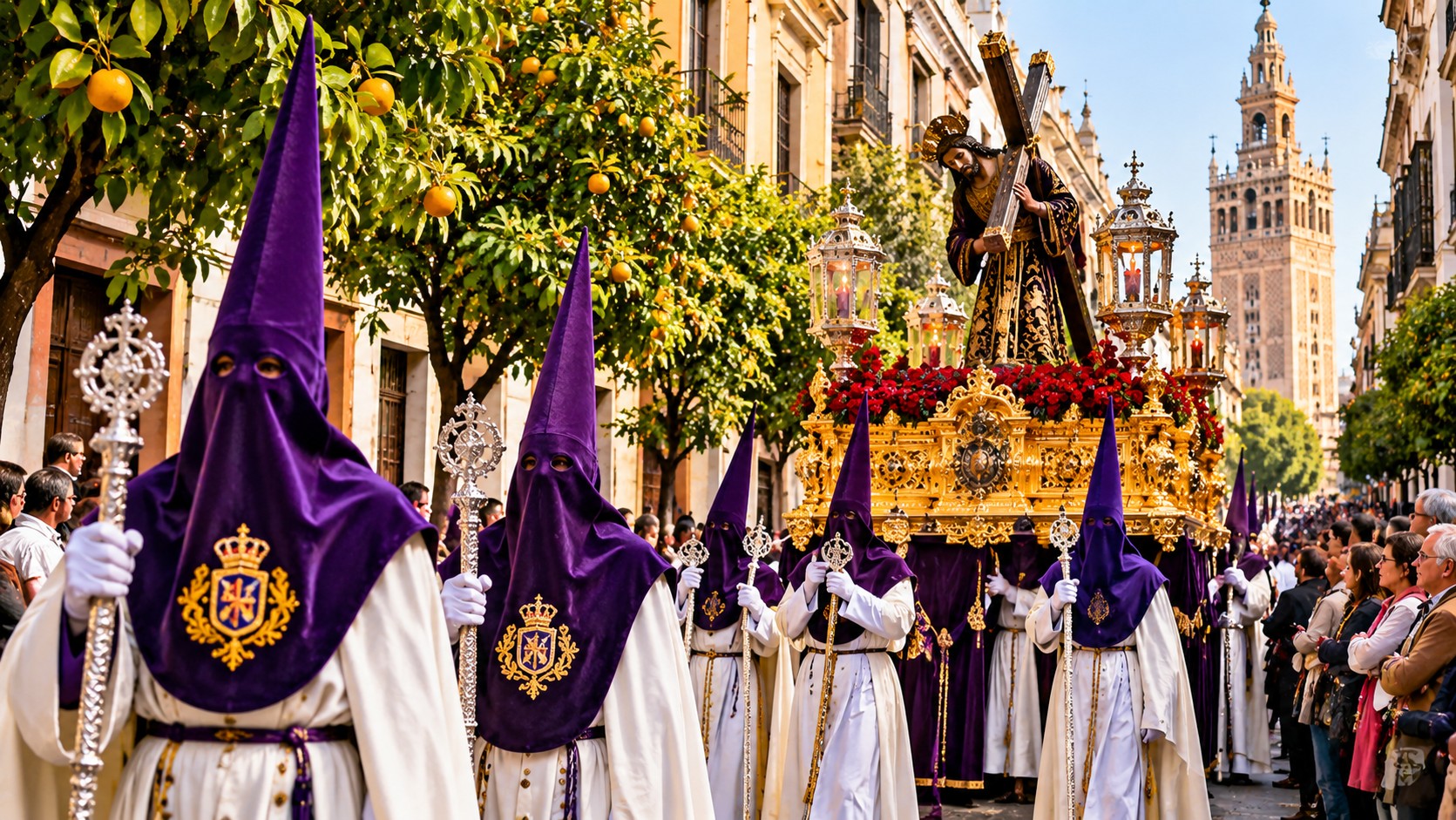
Seville’s Semana Santa is one of Spain’s most significant religious and cultural traditions. During Holy Week, historic brotherhoods organise solemn processions featuring ceremonial participants, religious imagery and elaborately decorated floats. These longstanding observances offer visitors an opportunity to appreciate Andalusian heritage while respecting the religious significance of the celebrations
🌺 May — Flower Festivals, Cultural Celebrations and Outdoor Events
May introduces a different character to Europe’s events calendar. Gardens, flowers, cultural performances and traditional spring gatherings become increasingly prominent as outdoor activities return across many regions.
In parts of Europe, May Day traditions include community festivities, maypole celebrations, dancing and customs associated with the changing season. Their form and significance vary widely, reflecting local history rather than a single European tradition.
Spring also brings flower shows, garden festivals and seasonal displays. The Netherlands is particularly associated with spring bulbs and tulips, although peak flowering is weather-dependent and may occur earlier than May. Travellers interested in floral experiences should distinguish natural flowering periods from the scheduled dates of organised events.
On the French Riviera, the Cannes Film Festival attracts international attention. It is an important cultural event, but much of its professional programme and screening access is restricted through accreditation or specific admission arrangements. Visitors may experience the atmosphere surrounding the festival without necessarily attending its principal activities.
Traveller consideration: May offers appealing opportunities for outdoor cultural experiences, but access varies greatly. Garden displays depend partly on seasonal growing conditions, while major arts events may require advance arrangements or offer limited public participation.
☀️ June — Midsummer Traditions and the Beginning of Summer Festivals
June brings some of Europe’s most distinctive celebrations of light, music and community life.
In Sweden, Midsummer is among the country’s most important traditional celebrations. Gatherings commonly feature flower wreaths, dancing around decorated maypoles, seasonal food and time spent with family or friends. Public celebrations may provide opportunities for visitors to experience aspects of these traditions, although many gatherings are private.
Other Nordic countries have their own midsummer customs, often associated with bonfires, outdoor gatherings or longstanding community traditions. These should not be treated as identical celebrations.
The season’s atmosphere is particularly distinctive in northern Europe, where exceptionally long daylight hours influence the rhythm of outdoor activities. In locations farther north, the sun may remain above the horizon throughout the night around the summer solstice.
France’s Fête de la Musique, traditionally celebrated on 21 June, offers a different kind of summer experience. Music performances take place in streets, squares and cultural spaces, with local programmes varying between communities.
Traveller consideration: Midsummer celebrations do not always fall on the astronomical solstice itself. Check local arrangements, particularly where public holidays, private gatherings or transport changes may influence the visit.
🎶 July — Music Festivals, National Celebrations and Summer Culture
July is closely associated with Europe’s outdoor festival season. Music, theatre, national celebrations and regional cultural programmes make use of longer days and established summer holiday periods.
Across the continent, major music festivals attract audiences interested in everything from classical performances to contemporary popular music. Their settings range from historic venues to purpose-built outdoor festival grounds, and the experience can differ substantially according to location and programme.
In France, 14 July is marked by national celebrations, with events that may include ceremonies, public gatherings and fireworks. Paris attracts considerable attention, but celebrations also take place in communities throughout the country, with local programmes varying.
Summer festivals elsewhere in Europe may combine performances with regional food, traditional dress, historic settings or community activities, offering experiences beyond the headline entertainment.
Traveller consideration: July can combine ordinary summer tourism demand with concentrated festival attendance. Travellers should distinguish freely accessible public celebrations from ticketed performances and consider whether an event’s location, duration and admission arrangements fit their wider journey.
🎨 August — Arts Festivals, Historic Traditions and Peak Summer Gatherings
August brings some of Europe’s most celebrated cultural gatherings, combining performing arts, historic traditions and the atmosphere of the summer holiday season.
In Scotland, Edinburgh’s August festival season is a particularly distinctive experience. The Edinburgh Festival Fringe presents an extraordinary variety of theatre, comedy, music and experimental performance, while the Edinburgh International Festival focuses on major performing arts productions. The Royal Edinburgh Military Tattoo adds a different spectacle, combining military music, ceremonial performances and the historic setting of Edinburgh Castle.
Although these events contribute to the city’s festival atmosphere, they operate as separate organisations with different programmes, dates and admission arrangements.
In Italy, Ferragosto on 15 August is an important summer holiday associated with family gatherings, leisure and traditional celebrations. Its origins stretch back to ancient Rome, while the date is also associated with the Catholic Feast of the Assumption.
For travellers, Ferragosto can reveal an important aspect of Italian summer life. However, popular holiday destinations may be busy, and some businesses operate different hours during the holiday period.
Elsewhere, regional summer celebrations may feature historic pageantry, traditional costumes, music and community gatherings, each reflecting the identity of its location.
Traveller consideration: August festivals can coincide with peak holiday demand. Check individual performance admission, accommodation availability, public holiday arrangements and local transport before committing to an event-centred itinerary.
🍇 September — Harvest Festivals, Wine Celebrations and Autumn Traditions
September introduces a different rhythm to European travel. As summer gives way to autumn, many communities celebrate agricultural traditions, regional produce and the cultural importance of the harvest.
Across wine-producing regions of France, Germany, Italy and other European countries, grape harvest celebrations may feature local food, music, traditional ceremonies and opportunities to discover regional winemaking heritage.
These occasions vary considerably. Some are small community gatherings, while others attract substantial numbers of visitors and offer organised tastings, parades or cultural programmes.
Munich’s Oktoberfest is one of Europe’s best-known autumn festivals, despite its name. It traditionally begins in September and continues into early October, combining Bavarian cultural traditions, fairground attractions, food and large beer tents.
Its scale and popularity make advance planning particularly important. Visitors should understand the difference between general festival access and seating arrangements within individual tents.
Elsewhere, autumn events may celebrate apples, olives, regional cuisine or other products associated with local agricultural life.
Traveller consideration: Harvest timing depends partly on weather and regional growing conditions. Festival dates should be confirmed independently of expected harvest periods, particularly when arranging visits to smaller communities or rural destinations.
🍂 October — Autumn Culture, Food Festivals and Seasonal Celebrations
October continues Europe’s autumn cultural calendar, often placing greater emphasis on regional food, traditional gatherings and the changing countryside.
In many destinations, autumn food festivals celebrate seasonal ingredients, local specialities and culinary heritage. Depending on the region, these may feature chestnuts, mushrooms, truffles, apples or other locally important produce.
Such occasions can offer insight into regional identity, particularly where food traditions are closely connected with rural communities and longstanding agricultural practices.
Some European cities also host established autumn arts and cultural programmes, providing opportunities for performances, exhibitions and indoor activities as daylight hours shorten.
Towards the end of October, Halloween-related celebrations become increasingly visible in some destinations. Ireland has particularly strong historical connections with Samhain traditions, although modern Halloween festivities and older seasonal customs should not be treated as identical.
The importance and character of Halloween vary substantially across Europe. In some places, it is a prominent public occasion; elsewhere, different religious or cultural traditions dominate the period.
Traveller consideration: October’s cultural appeal is often highly regional. Check whether a food festival or seasonal gathering takes place in the specific town you intend to visit, and prepare for shorter days and increasingly changeable outdoor conditions.
🕯️ November — Remembrance, Saint Days and the Festive Transition
November marks a gradual transition from autumn traditions towards Europe’s winter celebrations. Religious observances, community customs and the first Advent activities create a cultural calendar that can be quieter than summer but equally distinctive.
All Saints’ Day on 1 November is observed in several European countries, although its significance and associated public holidays vary. In places such as Poland, families traditionally visit cemeteries to remember deceased relatives, often placing flowers and candles on graves. The illuminated cemeteries can be visually striking, but these are occasions of personal remembrance rather than tourist spectacles.
St Martin’s Day on 11 November is associated with traditions in parts of Germany, Austria and other European regions. Depending on the locality, celebrations may include children’s lantern processions, songs and seasonal food. These customs are particularly meaningful within their communities and are not necessarily organised for visitors.
Towards the end of November, some Central European cities begin their Advent and Christmas market seasons. Opening dates differ considerably, with certain markets beginning before December while others operate only during Advent itself.
For travellers, November offers an opportunity to encounter traditions that are sometimes overlooked in favour of Europe’s more famous festivals.
Traveller consideration: Respect the reflective character of remembrance observances, particularly around cemeteries and religious ceremonies. If travelling specifically for Christmas markets, confirm their opening dates rather than assuming that all festive programmes begin in November.
🎄 December — Christmas Markets, Winter Traditions and New Year Celebrations
December brings some of Europe’s most atmospheric seasonal experiences, combining festive markets, religious traditions, illuminated streets and celebrations marking the end of the year.
Christmas markets are particularly associated with Germany and Austria, where historic squares may host decorated stalls selling traditional crafts, seasonal food and festive goods. Similar markets operate in other European countries, although their character, duration and traditions vary.
Cities such as Nuremberg, Dresden, Vienna and Strasbourg are well known for their festive settings, but smaller towns can also offer distinctive regional experiences.
Elsewhere, St Nicholas traditions form an important part of the early December calendar in several European communities, while Sweden’s Lucia celebrations on 13 December are associated with candlelight, music and winter traditions.
As December draws to a close, New Year’s Eve brings another variety of experiences. Major cities may organise public celebrations, while smaller communities maintain their own customs and gatherings.
Winter conditions contribute significantly to the atmosphere. Short daylight hours allow festive illuminations to become a prominent feature of evening visits, while cold weather makes suitable clothing and realistic outdoor plans particularly important.
Traveller consideration: Christmas market dates are not uniform. Some close before Christmas Day, others continue afterwards, and certain festive attractions operate into January. Public holidays may also affect shops, attractions and transport. Always check the specific programme for your intended dates.
📊 Europe’s Seasonal Events at a Glance
Europe’s cultural calendar offers contrasting experiences throughout the year. The following comparison provides a quick reference for identifying the types of celebrations associated with each month and the practical considerations that may influence travel plans.
📋 Twelve-Month European Events and Visitor Planning Table
| Month | Representative events or traditions | Countries or regions | Typical timing | Visitor planning considerations |
|---|---|---|---|---|
| January | Three Kings celebrations, Alpine winter customs | Spain, Alpine regions | Epiphany fixed; local programmes vary | Winter conditions, parade schedules |
| February | Venice Carnival, Nice Carnival | Italy, France | Movable Carnival periods | Crowds, admission, accommodation |
| March | St Patrick’s Day, spring traditions | Ireland, selected European regions | 17 March; other dates vary | Public celebrations, movable Easter dates |
| April | Semana Santa, Orthodox Easter, Feria de Abril | Spain, Greece and other regions | Movable dates | Processions, access, holiday demand |
| May | May traditions, flower events, Cannes Film Festival | Various European countries, France | Seasonal and annually scheduled | Flowering conditions, restricted admission |
| June | Midsummer, Fête de la Musique | Nordic countries, France | Traditional midsummer dates; 21 June music celebration | Local customs, extended daylight |
| July | Summer music festivals, 14 July celebrations | Across Europe, France | Annually scheduled; 14 July fixed | Festival tickets, peak summer demand |
| August | Edinburgh festivals, Ferragosto | Scotland, Italy | Annual programmes; 15 August fixed | Accommodation, public holidays |
| September | Wine harvest festivals, Oktoberfest | European wine regions, Germany | Harvest-dependent; annual schedules | Event demand, variable harvest timing |
| October | Food festivals, autumn traditions, Halloween | Various regions, Ireland | Regional schedules; 31 October | Local event dates, changing weather |
| November | All Saints’ Day, St Martin’s Day, early Advent markets | Poland, Central Europe and elsewhere | 1 and 11 November; market dates vary | Respectful attendance, market openings |
| December | Christmas markets, Lucia, New Year celebrations | Central Europe, Sweden and beyond | Advent periods; 13 and 31 December | Market closing dates, holiday transport |
The table reflects established cultural associations and typical seasonal patterns, not a confirmed programme for any particular future year. Festivals may move between months, individual celebrations can change and admission arrangements differ. Travellers planning around a specific occasion should check its current official schedule before finalising their journey.
🎯 Choosing Which European Events to Experience
Europe’s festival calendar offers far more possibilities than most travellers can reasonably include in one journey. The challenge is not simply finding an interesting celebration, but deciding which experience deserves a place in your itinerary.
The best choice depends on your interests, available travel dates, preferred atmosphere and willingness to plan around a fixed event.
🎟️ Should You Plan Your Holiday Around a Festival?
Some celebrations are distinctive enough to become the main reason for visiting a destination.
If experiencing Venice Carnival in full costume-filled splendour is a longstanding ambition, for example, travelling during the actual festival period is essential. The same applies to attending a particular performance at the Edinburgh Festival Fringe or experiencing a specific traditional procession.
This is event-led travel: the celebration determines the dates, destination and sometimes the length of the holiday.
The alternative is itinerary-led travel, where the destination comes first and cultural events enhance the visit. A traveller exploring southern France might discover a local music celebration, while someone touring Central Europe in December could incorporate a Christmas market into an existing city itinerary.
Neither approach is inherently better.
Event-led travel rewards those with a strong interest in a particular experience, but it usually requires greater commitment to dates and arrangements. Itinerary-led travel offers more flexibility, although there is no guarantee that a particular celebration will coincide with the journey.
The key question is whether missing the event would significantly diminish the holiday. If so, its confirmed schedule should guide the planning.

Europe’s seasonal celebrations can shape a holiday in different ways. Edinburgh’s Festival Fringe illustrates the excitement of planning a journey around a major cultural event, while a traditional French village music gathering represents the opportunity to discover local celebrations during a wider European itinerary. Both approaches offer rewarding experiences when travel dates, destinations and festival arrangements are carefully considered
🎭 Match Your Interests to European Celebrations
The most rewarding festival is not necessarily the largest or most famous. Start with the kind of experience you enjoy, then consider the practical arrangements and cultural setting before choosing an event.
🎭 Grand Spectacles
Explore: Carnival celebrations, major public festivals, colourful parades and ceremonial events.
Check before travelling: Crowd levels, viewing arrangements, ticket requirements and whether particular ceremonies are open to visitors.
🎶 Music, Theatre & the Arts
Explore: Summer performance festivals, concerts, theatre programmes and cultural events celebrating music and the arts.
Check before travelling: Individual performance dates, venue locations, advance reservations and whether the programme includes free or ticketed events.
🍇 Food & Regional Traditions
Explore: Harvest celebrations, regional food festivals, seasonal produce events and community gatherings rooted in local traditions.
Check before travelling: Local festival dates, seasonal harvest conditions, visitor access and whether activities are intended primarily for the local community.
🕯️ Heritage & Local Customs
Explore: Religious observances, traditional processions, historic ceremonies and seasonal customs that reflect local identity.
Check before travelling: Cultural etiquette, photography restrictions, respectful participation and whether ceremonies are public, restricted or primarily religious.
Choosing well: A smaller regional celebration may offer a more personal cultural experience, while a major festival may provide a memorable spectacle. Neither is automatically better; choose according to your interests, expectations and willingness to plan ahead.
🎉 Famous Festivals or Smaller Regional Celebrations?
Europe’s internationally recognised festivals can offer extraordinary atmospheres. Major events bring together performers, participants and visitors on a scale that smaller communities cannot always reproduce.
However, their popularity may also mean crowded public spaces, limited accommodation choices and greater competition for particular performances or activities.
Regional celebrations offer a different experience. A village harvest festival, local religious procession or traditional music gathering may provide a closer understanding of a community’s cultural identity.
That does not necessarily make smaller events quieter, cheaper or more authentic. Some are extremely important locally, attract substantial regional audiences or involve activities that are not open to casual visitors.
Consider what you most value: a major spectacle, a particular artistic performance, an opportunity to understand local traditions or the freedom to explore without a tightly scheduled programme.
Cultural significance and visitor accessibility are separate considerations, and both deserve attention.
🚆 One Destination or Several Countries During Festival Season?
A multi-country European journey can offer opportunities to experience different cultural traditions, particularly when events occur during the same season.
For example, travellers exploring Central Europe in December may find several destinations with established Christmas market traditions. A summer journey could potentially combine cultural performances in different cities.
However, proximity on a map does not automatically translate into a practical itinerary.
Festival dates may overlap, transport connections can require more time than expected and major events may alter local travel arrangements. Trying to include too many celebrations can leave little opportunity to enjoy the destinations themselves.
A single-destination stay allows more time to understand the setting, attend different activities and explore beyond the principal event.
A multi-country itinerary may be more suitable when the celebrations fit naturally into an already realistic route.
The strongest approach is to confirm the event dates first, then assess the actual journey between destinations, allowing sufficient time for both travel and cultural experiences.
⚖️ Travelling During an Event or Choosing Quieter Dates?
An event can transform the atmosphere of a destination. Historic squares fill with music, streets become procession routes and public spaces take on meanings that may not be immediately apparent during an ordinary visit.
For travellers interested in the celebration, that atmosphere is part of the attraction.
For others, the same conditions may make sightseeing more difficult. Popular festivals can bring crowded streets, temporary access restrictions, greater accommodation demand and changes to local transport.
Visiting outside the principal celebration may provide greater flexibility and a different appreciation of the destination’s everyday character.
It is also important to distinguish festival-related demand from the wider tourist season. A city can experience a concentrated surge in visitors during a particular event even when the surrounding weeks are comparatively quiet.
Before choosing your dates, decide whether the celebration itself is essential to your experience or whether you would prefer to explore the destination without the additional activity.
Both choices can be rewarding when they reflect your actual travel priorities.
📅 Check Your European Festival Dates Before You Book
Festival dates can change between years, and individual performances, processions and celebrations may follow different schedules. Choose the planning approach that suits your journey, then explore the calendars below before making travel commitments.
🎟️ My Festival Is Essential
If a particular festival, performance or ceremony is the main reason for your trip, establish its current arrangements before choosing your travel dates.
Check first: Official event dates, individual programme times, venue locations, ticket or admission requirements and any restrictions on public access.
🌍 My Travel Dates Are Flexible
If you have not chosen your destination or dates, begin by exploring seasonal celebrations that could complement a wider European holiday.
Explore first: Which celebrations normally take place during your preferred season, where they are held and whether their timing fits a realistic itinerary.
🗓️ Explore the Seasonal Events Calendars
Use these two planning resources to discover seasonal celebrations and investigate European events before finalising your travel arrangements.
📅 Seasonal Events Calendar
Explore the wider seasonal events calendar to help identify celebrations and travel opportunities throughout the year.
🌍 Europe Events Calendar
Focus your research on European festivals, cultural celebrations and seasonal events that may fit your chosen destinations.
Important planning reminder: Event calendars are starting points for research, not guarantees of dates, performances, admission, tickets or availability. Always confirm the latest arrangements with the official organiser before booking transport or accommodation around a particular event.
🧳 Practical Planning for European Festivals and Seasonal Events
Attending a European festival can be a memorable part of a journey, but successful planning requires more than identifying an attractive celebration on a calendar.
Dates, admission arrangements, accommodation, local access and seasonal conditions can all influence the experience. The more important a particular event is to your holiday, the more carefully these details should be checked before committing to travel.
🔎 Confirming Dates, Programmes and Admission Arrangements
The first priority is to establish exactly when and where the event will take place.
A festival may be associated with a particular month without following identical dates every year. Some celebrations depend on religious calendars, while others operate according to annually announced programmes.
Even fixed-date observances can have associated activities scheduled across several days.
Where possible, consult the current information published by the event organiser, relevant cultural institution or local tourism authority. Confirm the actual dates, venues, programme and any changes affecting the activities you wish to attend.
Admission is equally important. Public street celebrations may be freely accessible, while performances, reserved viewing areas, guided experiences or formal events can require tickets, registration or invitations.
Do not assume that attendance at the wider festival provides access to every activity.
If a particular performance, procession or ceremony is central to your plans, verify its individual arrangements rather than relying solely on the festival’s general dates.
🏨 Accommodation, Transport and Local Access During Major Events
Major festivals can create concentrated demand for accommodation, particularly when they attract large numbers of visitors over a relatively short period.
Booking requirements depend on the destination, event and time of year, but travellers planning around a specific celebration should assess accommodation options once its dates are confirmed.
Location deserves as much attention as availability. Staying close to the principal event may be convenient, but central areas can experience noise, crowds or temporary restrictions.
Accommodation farther away may offer a different experience, although the practicality of travelling to and from festival venues should be checked.
Transport arrangements also require care. Street closures, procession routes, temporary crowd-control measures and altered public transport services can affect ordinary journeys.
In some destinations, public holidays may influence service patterns or attraction opening hours.
Before travelling, establish where the main activities take place, how visitors are expected to reach them and whether the journey back to your accommodation remains practical after evening events.
🌦️ Weather, Daylight and Outdoor Festival Conditions
Europe’s seasonal events take place in very different environmental conditions.
Winter celebrations may involve low temperatures, limited daylight and the possibility of snow or ice. Spring festivals can encounter variable weather, while summer gatherings may involve heat, prolonged sunshine or occasional storms.
Autumn events often depend on outdoor settings and agricultural seasons, making local conditions particularly relevant.
Weather can affect comfort, accessibility and the operation of individual activities. Outdoor performances or processions may be delayed, modified or cancelled when conditions make them impractical or unsafe.
Daylight also changes the visitor experience. Northern Europe’s long summer evenings can support extended outdoor activities, while winter celebrations often rely on lighting and shorter periods of natural daylight.
Appropriate clothing, realistic walking distances and suitable alternatives for poor weather can make a considerable difference.
Where a specific outdoor activity is essential, check whether organisers provide contingency arrangements and how programme changes will be communicated.
🧳 Turn Your Festival Plans into a European Journey
Once you have identified the celebrations that interest you, the next decision is how much of Europe to explore. Choose an itinerary style that allows enough time for the events themselves, the journey between destinations and the places you want to discover along the way.
🏛️ Stay in One Destination
Best for: Travellers whose main priority is one particular festival, celebration or cultural event.
Planning consideration: Allow time to explore the host city, experience local traditions and accommodate any changes to the event programme without rushing between destinations.
🚆 Connect Several Cities
Best for: Travellers who want to combine cultural celebrations with visits to several cities or regions.
Planning consideration: Check event dates, realistic journey times, transport connections and accommodation availability before deciding how many destinations to include.
🌍 Explore Several Countries
Best for: Travellers who want a broader European experience, with seasonal celebrations forming part of a wider journey.
Planning consideration: Consider an organised multi-country itinerary when the destinations and travel arrangements fit naturally together. Confirm separately whether any particular festival can be experienced during the journey.
🌍 Explore European Touring Options
If you would like to explore beyond a single festival destination, these tour collections provide starting points for comparing European journeys and multi-country travel experiences.
🧭 European Tours
Browse European touring possibilities and compare destinations, routes and travel styles that could complement your seasonal interests.
🌐 Multi Country European Tours
Discover touring options covering several European countries, particularly useful when you want to experience different destinations within one wider itinerary.
Important itinerary reminder: European tour collections are general travel-planning resources. A particular festival, performance or celebration is not automatically included in a tour. Check each itinerary, departure date and individual event arrangements before making your booking decisions.
✅ A Practical Checklist Before Travelling for an Event
Before finalising a festival-centred European journey, work through these seven checks:
1. Confirm the date and location. Establish the relevant year’s event dates, principal venues and whether the activities you want to experience take place on your intended visiting days.
2. Check the programme and admission requirements. Identify which activities are public, ticketed, restricted or subject to advance reservation.
3. Assess accommodation arrangements. Consider availability, location, cancellation terms and the practicality of reaching the event from where you intend to stay.
4. Review transport and local access. Check connections, possible road closures, public transport changes and arrangements for returning after evening activities.
5. Prepare for seasonal conditions. Consider typical weather, daylight hours, suitable clothing and alternatives if outdoor activities are disrupted.
6. Understand cultural expectations and restrictions. Respect religious observances, community traditions, photography guidance and any access limitations.
7. Plan for changes or cancellations. Identify reliable sources for event updates and consider how your itinerary would work if a programme changed or a particular activity became unavailable.
These checks are especially important when a festival is the principal purpose of the journey rather than an optional addition to a wider holiday.
♻️ Responsible Seasonal Travel and Respecting European Traditions
Europe’s festivals are more than visitor attractions. Many are living cultural traditions sustained by local communities, religious organisations, performers, craftspeople and volunteers.
Responsible participation means recognising that the celebration belongs first to the people and places that maintain it.
🤝 Respecting Local Communities, Customs and Cultural Celebrations
A festival’s public visibility does not necessarily mean every activity is intended for unrestricted visitor participation.
Religious processions, remembrance ceremonies and community gatherings may have particular expectations concerning behaviour, clothing, photography or access.
Visitors should follow local guidance, respect designated viewing areas and avoid obstructing participants or residents.
Taking photographs can be an enjoyable way to remember an occasion, but sensitivity is essential, particularly during religious services, personal acts of remembrance or ceremonies involving children.
It is also worth remembering that historic city centres and residential neighbourhoods continue functioning during major celebrations. Keeping entrances clear, following crowd-management instructions and treating public spaces respectfully all contribute to a better experience for residents and visitors alike.
🌱 Reducing the Impact of Festival and Event Travel
Seasonal celebrations can place additional pressure on transport networks, public spaces, accommodation and local services, particularly when large numbers of visitors arrive within a short period.
Thoughtful planning can help reduce some of these pressures while supporting the communities that make the events possible.
Where practical, consider using established public transport connections rather than relying on individual car journeys into crowded historic centres. Walking between nearby venues may also be convenient, provided routes are accessible and local restrictions are respected.
Choosing locally operated accommodation, independent restaurants and regional businesses can help direct visitor spending into the destination’s economy.
Waste reduction is another practical consideration. Follow local recycling arrangements, avoid unnecessary disposable items and respect any event-specific environmental guidance.
For travellers with flexible itineraries, spending additional time in a destination rather than making a rushed visit solely for one crowded event may offer a more rewarding experience. It creates opportunities to explore beyond the principal celebration and discover local culture at a more measured pace.
Responsible festival travel is not about avoiding popular events altogether. It is about participating thoughtfully, respecting the host community and making practical choices that reduce unnecessary disruption.
❓ Frequently Asked Questions About Europe’s Seasonal Events
❓ Do European Festivals Take Place on the Same Dates Every Year?
No. Some celebrations follow fixed calendar dates, while others depend on religious calendars, seasonal traditions or annually announced programmes.
St Patrick’s Day takes place on 17 March, for example, but Easter changes dates each year. Carnival celebrations are also movable, and major arts festivals may adjust their schedules annually.
Always confirm the relevant year’s official dates before arranging travel around a particular event.
❓ Which European Festivals Are Free to Attend?
Many European celebrations include publicly accessible activities, such as street processions, community gatherings, music performances and seasonal markets.
However, free access to a public area does not necessarily include admission to organised performances, reserved seating, private celebrations or special attractions.
Admission arrangements vary between events and sometimes between individual activities within the same festival. Check the organiser’s current information before travelling.
❓ What Is the Best Season for Experiencing European Festivals?
There is no single best season because Europe’s celebrations offer different experiences throughout the year.
Winter is associated with Christmas markets, Carnival preparations and traditional seasonal customs. Spring brings Easter observances and regional celebrations. Summer offers major arts festivals, outdoor performances and midsummer traditions, while autumn is particularly associated with harvest festivals and regional food culture.
The best choice depends on the type of experience you want and the destinations you hope to visit.
❓ How Far in Advance Should I Book Travel for a Major European Festival?
The appropriate booking period depends on the event’s popularity, the destination and the type of accommodation or admission required.
Major festivals can create substantial demand for hotels, transport and particular performances. Travellers with fixed dates or specific accommodation preferences may benefit from arranging these well in advance.
Smaller regional celebrations may require less preparation, although local accommodation can still be limited.
Confirm the official event dates and any ticket-release arrangements before making non-refundable commitments.
❓ Can I Visit Several European Festivals During One Holiday?
Yes, provided the events’ dates and locations allow a practical itinerary.
A journey through several European countries may offer opportunities to experience different cultural traditions, but travel times, admission requirements and accommodation arrangements need careful consideration.
It is generally better to allow sufficient time to enjoy each destination than to construct an itinerary around too many closely scheduled events.
❓ Are European Festivals Suitable for Families?
Many European festivals offer activities that families may enjoy, including public celebrations, music, traditional performances and seasonal markets.
However, suitability depends on the individual event, the ages and interests of those travelling and the conditions at the venue.
Large crowds, late-night performances, loud music, alcohol-focused celebrations and prolonged periods outdoors may make some events less suitable for younger visitors.
Check the programme, accessibility information, age restrictions and practical arrangements before attending.
❓ What Happens if a Festival Is Cancelled or Its Dates Change?
Festival programmes can change because of weather, safety considerations, organisational decisions or other circumstances.
If a particular event is central to your holiday, monitor official announcements and understand the terms attached to tickets, accommodation and transport bookings.
Cancellation or postponement of an event does not automatically mean that associated travel arrangements are refundable.
Where possible, consider flexible arrangements and identify alternative activities that would still make the destination enjoyable.
🌍 Conclusion — Discovering Europe Through Its Seasonal Celebrations
Europe’s festivals and traditions reveal the continent’s changing rhythm of the year, from winter celebrations and spring religious observances to summer arts festivals and autumn harvest gatherings.
Each season offers different opportunities to experience regional identity, community traditions and cultural heritage.
Some occasions are internationally recognised spectacles, while others remain closely connected to the communities that sustain them. Both can provide memorable experiences when approached with curiosity, preparation and respect.
The most rewarding festival journeys begin with understanding what the celebration represents, when it takes place and how visitors can participate appropriately.
Whether you plan an entire holiday around a major event or discover a local tradition during a wider European journey, the seasonal calendar offers a valuable way to experience destinations beyond their familiar landmarks.
By combining reliable date checks, realistic itineraries and thoughtful participation, you can enjoy Europe’s celebrations while respecting the people and places that make them special.
🌍 Continue Exploring Europe’s Seasons and Celebrations
Europe’s festivals are only one part of its seasonal appeal. Whether you want to compare the best months to travel, explore winter experiences or discover celebrations closer to Britain, these carefully selected guides will help you take the next step in planning your journey.
🗓️ Europe Month by Month
Look beyond individual festivals and compare how European travel changes across the twelve months, including seasonal conditions, visitor demand and the experiences available at different times of year.
🌤️ When Is the Best Time to Visit Europe?
Compare Europe’s main travel seasons and decide which period best matches your interests, preferred weather, budget considerations and tolerance for busier destinations.
❄️ Winter in Europe
Discover Europe’s winter atmosphere, from festive markets and historic cities to Alpine landscapes, shorter daylight hours and practical considerations for travelling during the colder months.
🎉 Britain’s Seasonal Events Calendar
Continue your seasonal discoveries closer to home with Britain’s annual celebrations, traditional events, cultural highlights and month-by-month festival planning.
Your next step: Choose the guide that best matches your travel plans, then compare seasonal conditions, event schedules and practical arrangements before deciding when and where to go.